
Bridging Generational Gaps
Strengthening Communication and Readiness in Military Communities
By: Willie Sanders
Understanding and Adapting to Diverse Communication Styles
Effective communication is essential for fostering collaboration, cohesion, and support in military communities, where service members, veterans, and families span multiple generations and face unique challenges, including frequent relocations, deployments, a high operational tempo, and hierarchical structures. Individuals, from junior enlisted personnel to senior leaders, retirees, and multi-generational families, operate within the same ecosystem while bringing different expectations for how information should be shared and received.
These differences are further shaped by generational communication preferences, ranging from the Silent Generation through Generation Alpha, which influence how they interact, access resources, and engage with military organizations and installation-based services.
Understanding and adapting to these preferences is not just about convenience. It is about ensuring that critical information on readiness, wellbeing, and family support is conveyed effectively, and that military personnel and families feel included and valued.
The Generational Communication Spectrum
- The Silent Generation (born 1926-1945) and Baby Boomers (born 1946-1964): Prefer face-to-face interactions, phone calls, and other traditional communication methods that emphasize personal connections.
- Generation X (born 1965-1980): Appreciates a blend of traditional and digital formats, favoring efficiency and flexibility in communication.
- Millennials (born 1981-1996) and Generation Z (born 1997-2012): Gravitate toward digital platforms such as Zoom, email, and social media, prioritizing instant, interactive communication.
- Generation Alpha (born 2013-present): Engages best with highly digital, interactive, and visually stimulating communication methods.
In military communities, these preferences shape how individuals receive information about deployment briefings, training schedules, counseling services, benefits, and family readiness resources. A senior leader may rely on in-person briefings, while a junior service member may expect mobile alerts or digital updates. Spouses managing households during deployments may prefer quick, accessible communication, while retirees connected to the installation may depend on more traditional outreach.
While each generation may favor different communication styles, they all share fundamental values, clear and respectful communication, teamwork, and a commitment to mission success.
Strategies for Closing Generational Gaps in Military Communities
To ensure equitable access to resources and services, military organizations should implement the following strategies:
- Diversify Communication Channels: Use face-to-face engagement, phone calls, email, text alerts, social media, and digital platforms to share information about installation events, readiness requirements, and support services.
- Facilitate Intergenerational Training: Include generational communication awareness in professional military education, newcomer orientations, and family readiness activities.
- Establish Mentorship Programs: Pair individuals across generations to support knowledge sharing, professional development, and navigation of military systems and benefits.
- Create Inclusive Environments: Offer listening sessions and support groups in both in-person and virtual formats.
Building Stronger, More Inclusive Military Communities
Adapting communication strategies to meet generational preferences is not just about efficiency. It is about building stronger, more resilient military communities. Programs such as Military and Family Life Counseling, chaplain services, and installation helping agencies play an important role in bridging generational gaps by meeting service members and families where they are.
Listening, learning, and adapting across generations strengthen connections, enhance readiness, and support long-term wellbeing. By prioritizing these efforts, military personnel, veterans, and families can work together more effectively, ensuring a connected and mission-ready community for generations to come.
- Howe, N., & Strauss, W. (2000). “Millennials Rising: The Next Great Generation.” Vintage.
- Pew Research Center. (2020). “Defining generations: Where Millennials end and Generation Z begins.” Retrieved from https://www.pewresearch.org/fact-tank/2019/01/17/where-millennials-end-and-generation-z-begins/
- Chapman, A. (2020). “How to Manage Generational Differences in the Workplace.” Harvard Business Review. Retrieved from https://hbr.org/2020/07/how-to-manage-generational-differences-in-the-workplace
- Korn Ferry. (2019). “Closing the Generation Gap in the Workplace.” Retrieved from https://www.kornferry.com/insights/articles/closing-the-generation-gap-in-the-workplace
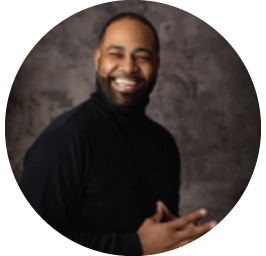 Willie Sanders, Military Family & Life Services (MFLC) Counselor at Magellan Federal and Founder and CEO of Sanders Counseling Associates LLC, Creative Innovations LLC, and Youth Impact Global Inc., is committed to impacting and empowering the lives of youth, adults, and corporations worldwide. As a native of Columbus, Mississippi, he has been sharing wisdom, empowering, and inspiring others through motivational speaking and leadership training for over 20 years. His unique speaking style is best described as a collision of realness, entertainment, and education—what he calls “Real Talk Edutainment.” Willie’s commitment to excellence extends far beyond the podium and into the classroom. He has received a Bachelor of Science in Psychology and a Master of Arts in Community Counseling from Mississippi State University, and a Master of Arts in Christian Counseling from Jacksonville Theological Seminary.